
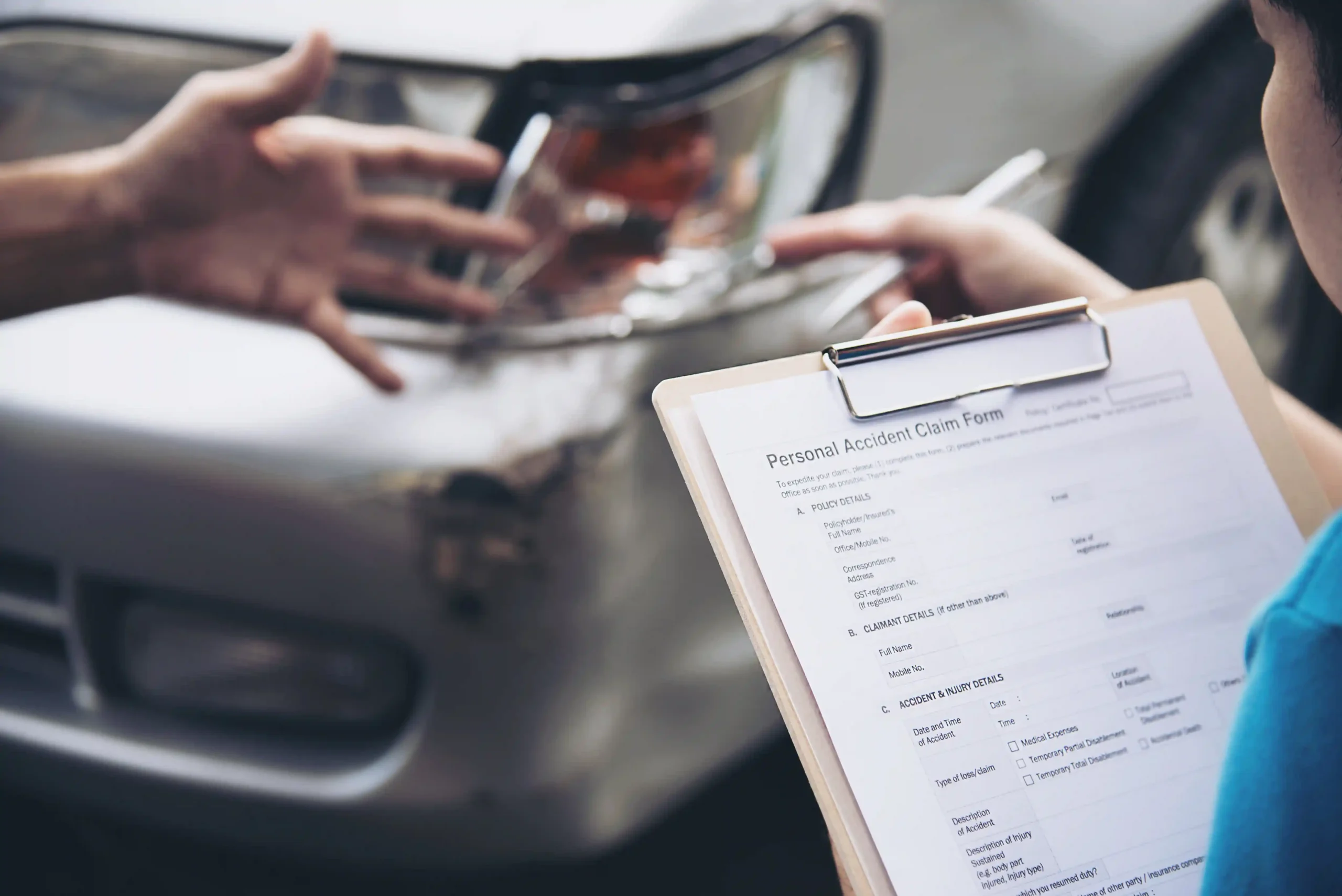
When a vehicle is involved in an accident, even after proper repairs, its market value often decreases significantly. This reduction in resale value is known as diminished value. In Washington State, drivers have the legal right to pursue compensation for this loss under certain conditions, but the process is often misunderstood and underutilized.
This guide explains exactly how diminished value claims work in Washington, who qualifies, how to file a claim, and how to maximize your settlement. We’ll also show how location-specific factors—such as Bellevue, Olympia, or Bellingham—can influence your claim outcome.
What Is a Diminished Value Claim?
A diminished value claim is a compensation request made to an insurance company for the loss in a vehicle’s market value after it has been repaired following an accident.
Even if your car is restored to perfect working condition, it now carries a damage history, which reduces its resale or trade-in value.
Example:
- Pre-accident value: $35,000
- Post-repair market value: $28,000
- Diminished value loss: $7,000
This $7,000 difference is what a diminished value claim aims to recover.
Does Washington State Allow Diminished Value Claims?
Yes. Washington is considered a fault-based insurance state, which means:
- The at-fault driver’s insurance is responsible for damages.
- This includes repair costs and diminished value.
However, insurance companies do not automatically pay diminished value claims. You must actively prove and demand compensation.
Washington law generally allows recovery when:
- The other driver is clearly at fault.
- Your vehicle was damaged in a collision.
- The vehicle has lost market value after repairs.
Who Qualifies for a Diminished Value Claim in Washington?
Not every vehicle or accident qualifies. Generally, you may be eligible if the following conditions apply.
You Were Not At Fault
If you caused the accident, your ability to claim diminished value may be limited or excluded depending on your insurance coverage.
Your Vehicle Has Significant Market Value
Higher-value vehicles typically experience larger measurable losses after an accident.
The Vehicle Was Properly Repaired
You should maintain documentation showing:
- Repair invoices
- Repair estimates
- Before-and-after photos
- Proof of pre-accident condition
The Vehicle Was Not Previously Heavily Damaged
If your vehicle already had a significant accident history, the diminished value amount may be reduced.
Types of Diminished Value in Washington
Understanding the different categories of diminished value can strengthen your claim.
Immediate Diminished Value
This represents the reduction in value immediately after the accident and before repairs are completed.
Repair-Related Diminished Value
This occurs when repairs negatively affect vehicle value due to:
- Incomplete repairs
- Poor workmanship
- Use of non-OEM parts
Inherent Diminished Value
This is the most common type of diminished value claim.
Even when repairs are flawless, the vehicle’s accident history remains on records such as Carfax, reducing buyer confidence and resale value.
How to File a Diminished Value Claim in Washington
Step 1: Confirm Fault and Liability
Before filing a claim, determine:
- Who caused the accident
- Whether liability has been accepted by the insurance company
Without clear fault determination, diminished value claims can be delayed or denied.
Step 2: Gather Supporting Documentation
Strong documentation is essential.
Collect:
- Police reports
- Repair invoices
- Repair estimates
- Before-and-after photographs
- Vehicle history reports
- Maintenance records
- Mileage documentation
The stronger your evidence, the stronger your negotiating position.
Step 3: Obtain a Professional Diminished Value Appraisal
This is often the most important step in the process.
Insurance companies frequently undervalue claims unless you provide:
- A certified appraisal report
- Market comparison data
- Local resale analysis
- Vehicle-specific depreciation calculations
Without an independent appraisal, insurers may offer significantly less than your actual loss.
Step 4: Submit a Demand Letter
Your demand package should include:
- Accident details
- Liability documentation
- Repair records
- Appraisal report
- Requested compensation amount
This formally initiates the diminished value claim process.
Step 5: Negotiate With the Insurance Company
Insurance companies often:
- Make low initial offers
- Request additional documentation
- Challenge valuation reports
- Attempt to minimize damage severity
Negotiation is a normal part of the claims process.
How Diminished Value Is Calculated
There is no single universal formula used in Washington.
Instead, appraisers and insurers generally evaluate:
- Pre-accident market value
- Vehicle age
- Mileage
- Extent of damage
- Repair quality
- Market demand
- Accident history impact
Simplified Example
Market Value × Damage Severity Multiplier = Estimated Diminished Value
While some insurers use formula-based calculations, professional appraisal reports are typically more accurate and carry greater credibility during negotiations.
Why Location Matters in Washington Diminished Value Claims
Your location can significantly influence the outcome of a diminished value claim.
Different cities have different vehicle markets, buyer expectations, and resale trends.
Urban Areas Often Produce Higher Claims
Cities such as Bellevue and Seattle frequently experience:
- Higher vehicle values
- More luxury vehicle ownership
- Greater post-accident depreciation
Related Pages:
- Bellevue Diminished Value Appraisal
- Seattle Diminished Value Appraisal
Mid-Sized Cities Often Show Moderate Claim Values
Areas such as Olympia typically experience:
- Balanced vehicle pricing
- Moderate depreciation impacts
- Consistent insurance settlement trends
Related Page:
- Olympia Diminished Value Appraisal
Smaller Markets May Show Lower Value Losses
Cities such as Bellingham often have:
- Older vehicle populations
- Different buyer expectations
- Lower average resale value impact
Related Page:
- Bellingham Diminished Value Appraisal
Regional Market Differences Matter
Even two identical vehicles with identical damage can have different diminished value outcomes based on:
- Local buyer demand
- Dealer inventory trends
- Regional vehicle pricing
- Accident frequency within the market
This is why localized appraisal data can significantly strengthen a claim.
Common Mistakes That Reduce Claim Value
Many vehicle owners unknowingly reduce their settlements by making avoidable mistakes.
Accepting the First Offer
Initial insurance offers are often lower than the vehicle’s actual diminished value.
Skipping a Professional Appraisal
Without an independent appraisal, it becomes difficult to prove the true loss in value.
Missing Important Documentation
Incomplete records weaken your claim and reduce negotiating power.
Waiting Too Long to File
Delays can make it harder to gather evidence and may weaken your position during negotiations.
How Insurance Companies Try to Reduce Payouts
Insurance carriers often use various tactics to minimize diminished value settlements.
Common approaches include:
- Claiming diminished value is speculative
- Using outdated valuation models
- Ignoring local market conditions
- Overstating depreciation factors
- Downplaying repair severity
Understanding these tactics helps you prepare stronger responses and documentation.
How to Maximize Your Diminished Value Claim
To improve your chances of receiving fair compensation:
- Use a certified independent appraisal
- Keep detailed repair records
- Document your vehicle’s condition thoroughly
- Research local market values
- Avoid accepting the first settlement offer
- Include comparable vehicle listings when appropriate
A well-documented claim often leads to significantly better outcomes.
When Should You File a Diminished Value Claim?
The ideal time to file is:
- After repairs have been completed
- Shortly after the accident
- Before selling or trading the vehicle
Filing promptly helps preserve evidence and improves negotiating leverage.
Do You Need an Attorney?
In many diminished value cases, an attorney is not necessary.
However, legal assistance may be beneficial if:
- Liability is disputed
- The insurer denies your claim
- The offered settlement is substantially undervalued
- The case involves complex damages
For most vehicle owners, a strong independent appraisal report is often sufficient to support negotiations.
Explore City-Specific Diminished Value Appraisal Services
If you’re filing a diminished value claim in Washington, location-specific guidance can help improve your results.
Bellevue
Learn more about market-specific vehicle valuation and claim considerations on our Bellevue Diminished Value Appraisal page.
Bellingham
Explore localized appraisal factors affecting claims in the Bellingham Diminished Value Appraisal guide.
Olympia
Review regional market conditions and claim strategies through our Olympia Diminished Value Appraisal page.
Final Thoughts
A diminished value claim in Washington is one of the most overlooked opportunities for financial recovery after an accident. While insurance companies rarely volunteer fair compensation, Washington law may allow you to recover the loss in your vehicle’s market value when the claim is properly documented and supported.
The most successful claims typically rely on:
- Strong documentation
- Professional diminished value appraisals
- Local market analysis
- Strategic negotiation
Whether you’re located in Bellevue, Olympia, Bellingham, Tri-Cities, or elsewhere in Washington, your diminished value claim should reflect actual market depreciation—not an insurance company’s attempt to minimize compensation.